
Chimney Repair
CHIMNEY REPAIR IN Covington, Kentucky.
A chimney is a masonry column standing in the weather with no roof of its own. It takes rain from every direction, freezes solid in January, and connects to your roof at one of the most difficult junctions in the whole building. It is no mystery why so many leaks start there.


THE CHIMNEY IS USUALLY FINE. THE CONNECTION IS NOT.
When water shows up in a ceiling near a chimney, the brick itself is rarely the culprit. The failure is almost always at the flashing where masonry meets roofing, in a cracked crown on top, in mortar joints that have eroded, or at a missing cap letting rain fall straight down the flue.
Those are four different repairs with four different methods, and guessing between them wastes money. We diagnose before we quote, then fix the actual cause rather than sealing the general area and hoping.
- Leak diagnosed before any work is quoted
- Step and counter flashing rebuilt properly
- Crowns, caps, and mortar joints restored
- Water-repellent treatment where it helps
Lorem ipsum dolor sit
Duis aute irure dolor in reprehenderit in voluptate velit esse.
Lorem ipsum dolor sit amet, consectetur adipiscing elit, sed do eiusmod tempor incididunt ut labore et dolore magna aliqua. Ut enim ad minim veniam, quis nostrud exercitation ullamco laboris nisi ut aliquip ex ea commodo consequat. Duis aute irure dolor in reprehenderit in voluptate velit esse cillum dolore eu fugiat nulla pariatur. Excepteur sint occaecat cupidatat non proident, sunt in culpa qui officia deserunt mollit anim id est laborum.
Lorem ipsum dolor sit amet, consectetur adipiscing elit, sed do eiusmod tempor incididunt ut labore et dolore magna aliqua. Ut enim ad minim veniam, quis nostrud exercitation ullamco laboris nisi ut aliquip ex ea commodo consequat. Duis aute irure dolor in reprehenderit in voluptate velit esse cillum dolore eu fugiat nulla pariatur. Excepteur sint occaecat cupidatat non proident, sunt in culpa qui officia deserunt mollit anim id est laborum.
Duis aute irure dolor in reprehenderit in voluptate velit esse.
Lorem ipsum dolor sit amet, consectetur adipiscing elit, sed do eiusmod tempor incididunt ut labore et dolore magna aliqua. Ut enim ad minim veniam, quis nostrud exercitation ullamco laboris nisi ut aliquip ex ea commodo consequat. Duis aute irure dolor in reprehenderit in voluptate velit esse cillum dolore eu fugiat nulla pariatur. Excepteur sint occaecat cupidatat non proident, sunt in culpa qui officia deserunt mollit anim id est laborum.
Duis aute irure dolor in reprehenderit in voluptate velit esse.
Lorem ipsum dolor sit amet, consectetur adipiscing elit, sed do eiusmod tempor incididunt ut labore et dolore magna aliqua. Ut enim ad minim veniam, quis nostrud exercitation ullamco laboris nisi ut aliquip ex ea commodo consequat. Duis aute irure dolor in reprehenderit in voluptate velit esse cillum dolore eu fugiat nulla pariatur. Excepteur sint occaecat cupidatat non proident, sunt in culpa qui officia deserunt mollit anim id est laborum.
Benefits of Service 1
Benefits 1
Lorem Ipsum is simply dummy text of the printing and typesetting industry.
Benefits 2
Lorem Ipsum is simply dummy text of the printing and typesetting industry.
Benefits 3
Lorem Ipsum is simply dummy text of the printing and typesetting industry.
Benefits 4
Lorem Ipsum is simply dummy text of the printing and typesetting industry.
Benefits 5
Lorem Ipsum is simply dummy text of the printing and typesetting industry.
CHIMNEY REPAIR
TAR ON A CHIMNEY IS A CONFESSION, NOT A REPAIR.
Drive around any neighborhood and you will see chimneys smeared black at the roofline. That black tar is what somebody applied instead of removing the shingles and installing proper step flashing woven into each course with counter flashing let into the mortar joints above. It buys two winters at best, then cracks and lets water straight through while making the correct repair harder and more expensive than it needed to be.
BUILT FOR CENTURY-OLD MASONRY IN A FREEZE-THAW CLIMATE.
Much of the brickwork here predates modern mortar entirely, and hard Portland-based mixes will crack soft historic brick rather than protect it. We match mortar to the specific masonry we are working on and pay close attention to how many freeze cycles this river valley delivers each winter, because that is what breaks crowns and opens joints in the first place.
LEAK DETECTION THAT GOES BEYOND THE OBVIOUS.
Chimney leaks are the most commonly misdiagnosed problem Tri State All American Roofing and Restoration sees. Water entering at a crown appears identically to water entering at flashing once it reaches your ceiling. After 22 years, we know which evidence separates them, and we test rather than assume. Would you rather leak diagnosed and fixed once, or repaired three separate times by three different crews who each guessed? We only work the first way.
WHAT A PROPER CHIMNEY REPAIR DELIVERS
THE LEAK ACTUALLY ENDS
You stop watching that ceiling every time it rains. Correcting the real entry point rather than the visible symptom means the stain never comes back to spread again.
MASONRY THAT STAYS STANDING
Water in mortar joints freezes, expands, and pushes brick apart over time. Stopping that cycle preserves the structure instead of steadily converting it into a rebuild.
NO MORE INTERIOR DAMAGE
Ceilings, walls, and framing all stay dry. The repair usually costs less than the drywall, insulation, and paint that another year of leaking would have destroyed.
WILDLIFE KEPT OUTSIDE
A proper cap stops birds, squirrels, and raccoons nesting in an open flue. It also keeps rain and debris out of a chase that was never designed to hold either.
SAFER OPERATION
A sound crown, cap, and liner matter if you ever use the fireplace. Deteriorated masonry and blocked flues create hazards well beyond the water damage you can see.
AN EXTERIOR THAT LOOKS RIGHT
Repointed joints and a clean crown restore the chimney visually. Black tar smears and crumbling brick read as neglect from the street more than almost anything else.
The standard
Lorem ipsum dolor
Lorem ipsum dolor
The standard
Lorem ipsum dolor
The standard
Fusce volutpat enim at mi accumsan faucibus. Pellentesque ut consequat est. Aliquam vitae mi a orci rutrum lobortis nec at erat. Fusce volutpat enim at mi accumsan faucibus. Pellentesque ut consequat est.
Fusce volutpat enim at mi accumsan faucibus. Pellentesque ut consequat est. Aliquam vitae mi a orci rutrum lobortis nec at erat. Fusce volutpat enim at mi accumsan faucibus. Pellentesque ut consequat est.
Fusce volutpat enim at mi accumsan faucibus. Pellentesque ut consequat est. Aliquam vitae mi a orci rutrum lobortis nec at erat. Fusce volutpat enim at mi accumsan faucibus. Pellentesque ut consequat est.
WHAT WE REPAIR
OUR CHIMNEY WORK
Chimney problems fall into a handful of distinct failures, each with its own fix. Here is what we correct most often on homes throughout the area, and what each repair involves.

FLASHING WORK
Chimney Flashing Repair
Step flashing woven into the shingle courses and counter flashing let into the mortar joints is the only correct method. We remove old tar and rebuild the detail the way it should have been.
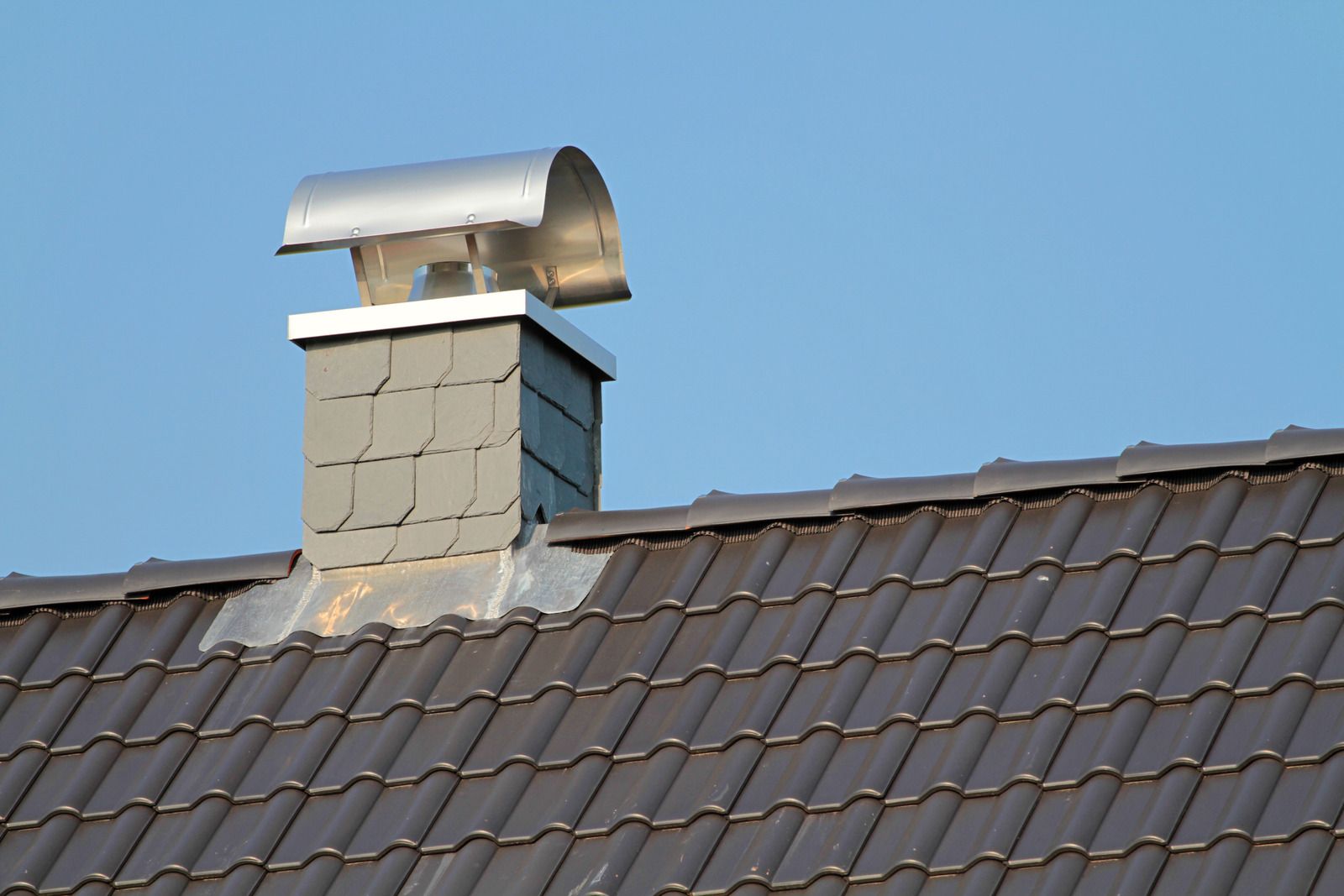
CROWN REPAIR
Chimney Crown Repair
The concrete cap on top cracks with age and lets water into the brick below. We rebuild it with an overhang and a proper drip edge so runoff clears the masonry.

MASONRY JOINTS
Tuckpointing and Masonry Repair
Eroded mortar joints get ground out and repacked with mortar carefully matched to the original mix. Getting that match right matters enormously on the older, softer historic brickwork found here.

CAPS AND COVERS
Chimney Cap and Chase Cover Installation
Masonry chimneys need a cap over the flue; framed chases need a metal cover on top. Both stop rain, animals, and debris entering a space that has no other protection.

WATER SEALING
Chimney Waterproofing
Breathable water-repellent treatment lets masonry release trapped moisture while shedding rain. Non-breathable sealers trap water inside the brick and accelerate exactly the damage they were meant to prevent.
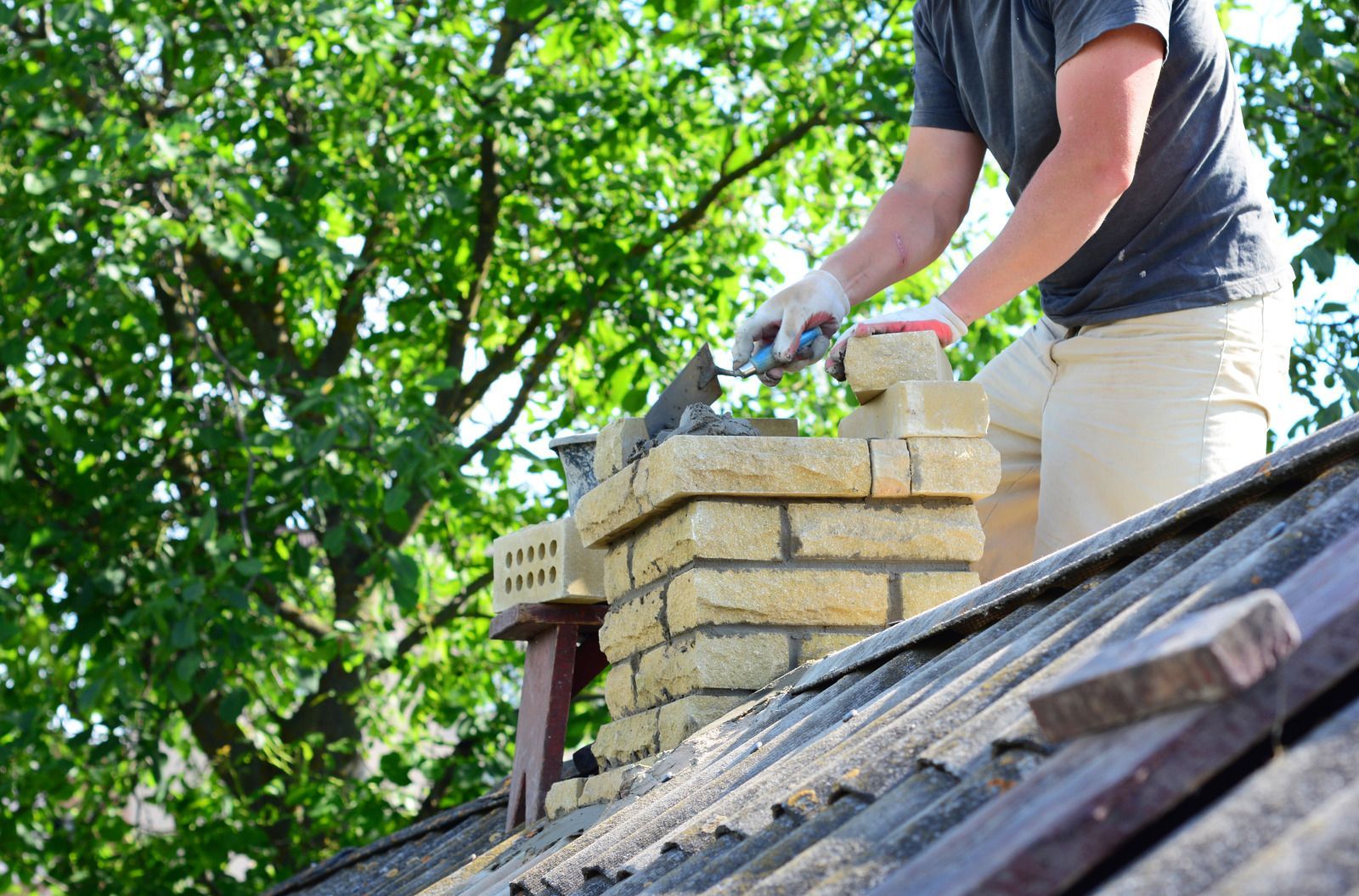
PARTIAL REBUILDS
Chimney Rebuilds
When the top courses have deteriorated beyond repointing, we take them down and rebuild. Rebuilding above the roofline is usually far cheaper than most homeowners expect it to be.
THE WORD ON OUR WORK
WHAT OUR CLIENTS SAY.
Chimney work brings us a lot of people who have already paid somebody else to solve the very same leak. What they write afterward is usually about the diagnosis rather than the repair itself. Their reviews sit below and are worth reading.
faq
frequently asked
questions.
Chimney questions revolve around where the water is entering, what the parts are called, and whether an unused chimney still needs attention. Here is what we get asked most.
Why does my chimney leak only when it rains hard?
Wind-driven rain reaches surfaces that vertical rain never touches. That usually points to failed counter flashing, open mortar joints on the weather side, or a crown that has cracked through.
What is a chimney crown and why does it matter?
The crown is the sloped concrete surface on top of the masonry. It sheds water away from the brick below, and once it cracks, rain travels straight down inside the structure.
What is the difference between a cap and a chase cover?
A cap covers the flue opening on a masonry chimney. A chase cover is a metal lid over the top of a framed chimney chase. Both keep out rain, animals, and debris.
What exactly is tuckpointing?
Deteriorated mortar is ground out of the joints to a consistent depth and repacked with fresh mortar. Tri State All American Roofing and Restoration matches the mix to the original masonry in Covington, KY.
How often should a chimney be waterproofed?
Every five to 10 years on exposed masonry, using a breathable repellent rather than a sealer. Products that trap moisture inside the brick cause more damage than they ever prevent.
What causes the white staining on my brickwork?
That is efflorescence, salt carried to the surface as water moves through the masonry and evaporates. It is cosmetic in itself, but it confirms that water is getting into the brick.
Is a leaning chimney dangerous?
It can be, and it should be assessed promptly. Leaning usually indicates footing settlement or severe mortar deterioration, and Tri State All American Roofing and Restoration inspects these throughout Covington, KY.
Do I still need repairs if I never use the fireplace?
Yes. An unused chimney still admits water, still deteriorates in freeze cycles, and still leaks into your ceilings. Sealing an unused flue does nothing about the masonry standing above the roof.
HOW WE WORK
FROM THE FIRST STAIN TO A DRY CEILING, HERE IS HOW.
STEP 01
WE INSPECT
We examine the crown, the cap, every mortar joint, the flashing, and the interior evidence below. Photographs of each are taken so you can see exactly what we are describing.
STEP 02
WE DIAGNOSE
Water testing isolates the actual entry point rather than the most obvious one. More than one failure is common, and we identify all of them before quoting any part of the work.
STEP 03
WE FLASH
Old tar and failed metal are removed entirely rather than covered. New step flashing is woven into the shingle courses and counter flashing is cut into the mortar joints, then sealed correctly.
STEP 04
WE REPOINT
Deteriorated joints are ground out to depth and repacked with matched mortar. Both color and hardness are matched, because a mismatched repair damages soft brick and looks obviously patched from the ground.
STEP 05
WE CAP
Cracked crowns are rebuilt with a proper overhang and drip edge, and flue caps or chase covers are fitted. Together those keep water off the masonry from the top down.
STEP 06
WE SEAL
Where it genuinely helps, exposed masonry receives a breathable water repellent. We then verify the repair under water testing and hand you photographs of every part of the completed work.
GET YOUR FREE ESTIMATE
FIND OUT WHERE THE WATER IS REALLY GETTING IN, FREE.
If the ceiling near your chimney stains after every heavy rain, guessing has already cost you enough. Request an inspection through our contact page and we will diagnose the cause properly before anything else.
WHAT YOUR FREE CHIMNEY ASSESSMENT COVERS:
- Crown, cap, and flue condition review
- Flashing and roof junction inspection
- Mortar joint and brick face assessment
- Interior evidence traced and photographed
- Water testing to confirm the entry point
- A written scope naming the actual cause